WORKSHOP OR TOUR? and a few tips to help you choose…
When I first started attending equine workshops internationally, I was suprised that there was very little formal ‘classroom style’ teaching. To me if it said workshop in the title, it meant that there would be ‘some learnin.’ As a retired teacher, I thought a lecture style setting was needed to teach and was part of any workshop. Hmm, not necessarily true.
I found a lot of workshops were ‘tours” - you were taken to a location, you were on your own during the session and you took your chances in getting a shot. Often the workshop leader shoots as well, so asking for help wasn’t always appreciated. Took me a while to sort that out however I have come to terms with it. I remember one tour I was on and I asked about a focus setting and didn’t really appreciate the laughter when I asked and no, no insights on the setting. No ‘teaching’ as it was a tour. Didn’t expect that response - and that’s where fellow participants can help…maybe.
I think most people want some teaching on a workshop however it is difficult to schedule formal sessions when you are travelling to an international destination. When you are up at ‘oh dark thirty’, recovering from jet lag and adjusting to different time zones, travelling during the day, and sometimes very late meals, there really isn’t a lot of time for formal teaching.
So how do you decide if a workshop or photo tour is for you? Here are some suggestions.
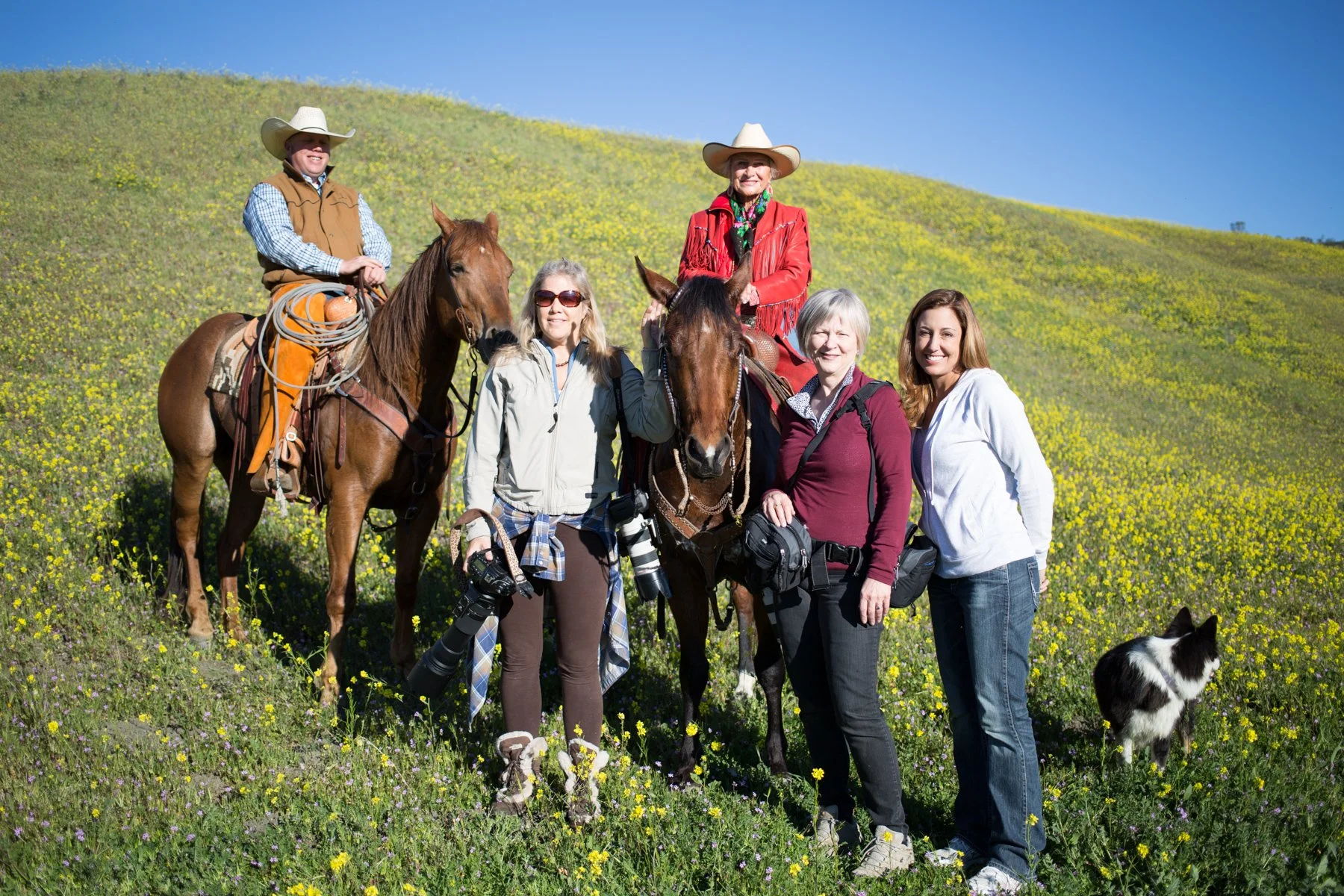
Piper McKay workshop, V6 Ranch, 2016. Parkfield, California.
CHECK OUT THE INSTRUCTOR’S PORTFOLIO
By looking at the itinerary, you will get a vague idea of what you will be shooting and maybe where you are going. You can always ask how much driving there is each day and that gives a rough idea of what to expect. Locations aren’t always shared in the itinerary though so asking is the nest way to find out. Some tours I was on, with no itinerary usually had about three to four hours of daily driving, two sessions daily - about two hours each so there’s a full day already and often it was unpacking at a new hotel almost nightly. Not sure why I feel tired writing that - obviously I survived.
If the hotels are posted, (and few are!), it gives you a chance to look at them as well - Google is your friend for sure!! And yes, the itinerary will change because of weather and that’s to be expected. I know a few instructors who did not provide any information about what we were going to shoot or where we were going. Being a bit of a control freak, that was difficult for me and I thought I was the only one upset but others were as well. I am much better now at letting things happen on a tour and that ‘non itinerary’ tour helped - mainly because I couldn’t do anything about it anyway!! Big lesson for me!
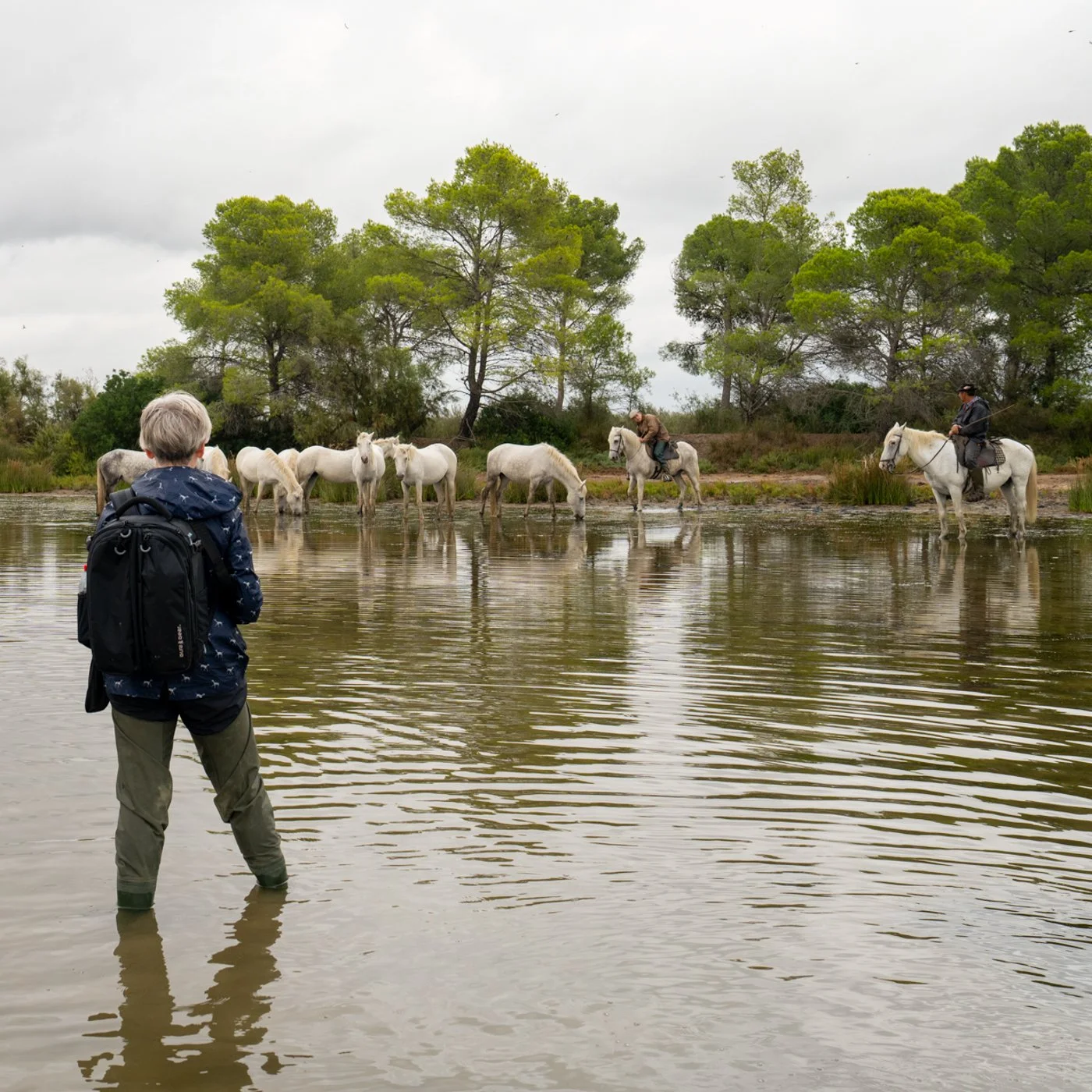
Camargue horses with Serge Krouglikoff, Create-Away.com 2024.
2. CHECK OUT THE INSTRUCTOR’S PORTFOLIO
Do you like the instructor’s photos and style? Is it the same shot page after page or is there a variety? If you don’t like what their work, hard to be inspired to take photos when you get there!
3. ASK QUESTIONS FROM PEOPLE WHO HAVE GONE TO THAT WORKSHOP.
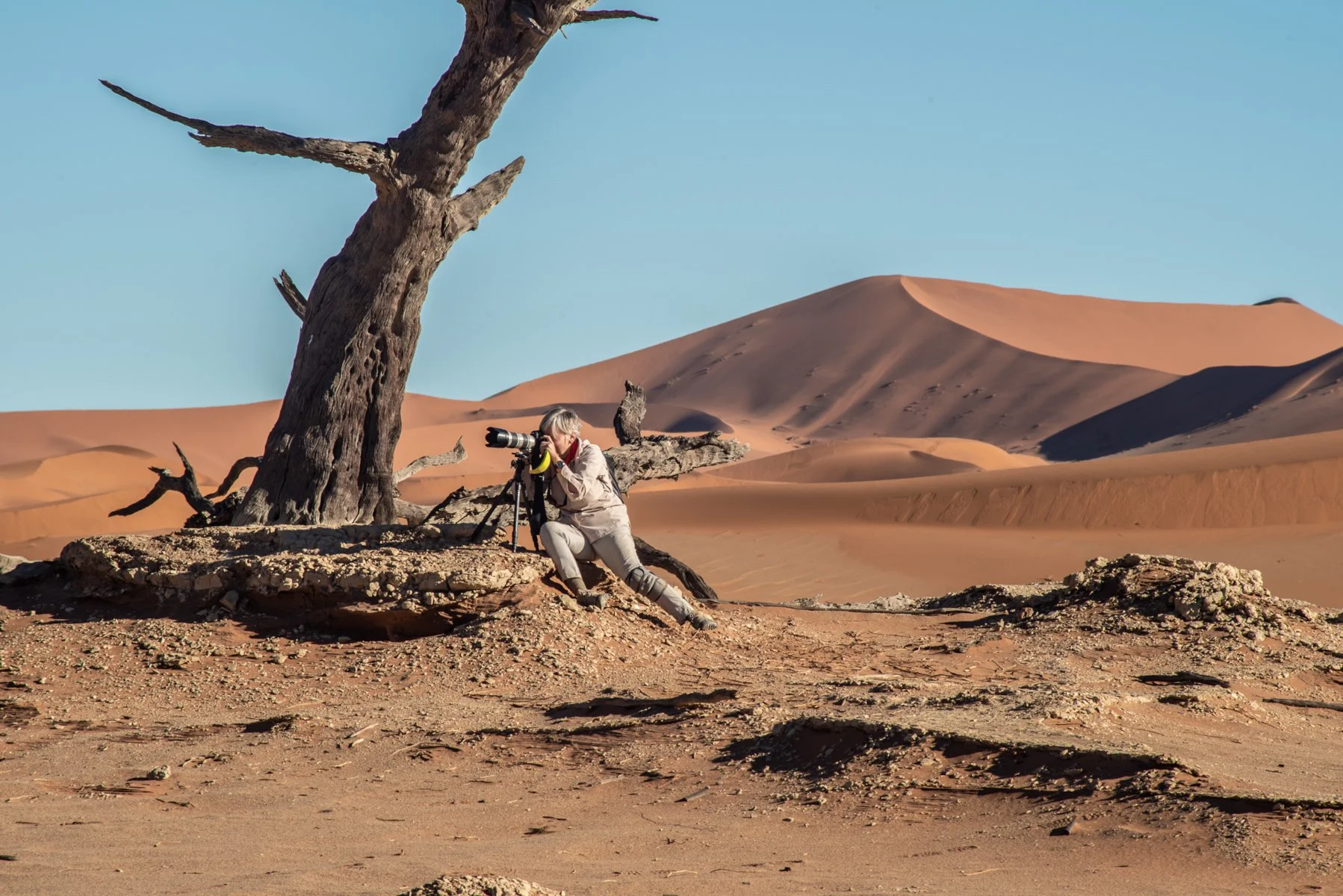
Africa. with Denise Ippolito and in Namibia, 2018.
I am often asked what I think about some of the workshops I have attended. I have also come to realize that even the ones I initially found disappointing taught me something (besides not re-booking!) and the ‘negatives’ are valuable. My new motto is to learn one new thing and that is doable! Besides, if I don’t like something, I realize I am not the one in charge and not my problem - lol.
4. REALIZE THAT THE LOGISTICS OF THE TRIP ARE IMPORTANT.
You are often up from before sunrise until after sunset and there may be travelling in between and changing hotels. You also have to recharge your batteries, (your camera and yourself), download your pics and get ready each day for the next day. Whether it is a tour or a workshop, physical demands can be intense. No naps!! Taking photos when you are tired is difficult to say the least. So, check the number of days in each location and if possible the length of the drive between locations. Changing hotels every day is tough!!
5. KNOW YOUR EQUIPMENT!
If the description says you should know your camera, believe it. It is great if the instructor has the same camera system as you if you run into difficulties. With so many amazing cameras out there, it is highly unlikely an instructor would be able to troubleshoot more than one or two camera systems. Cameras are complicated!!
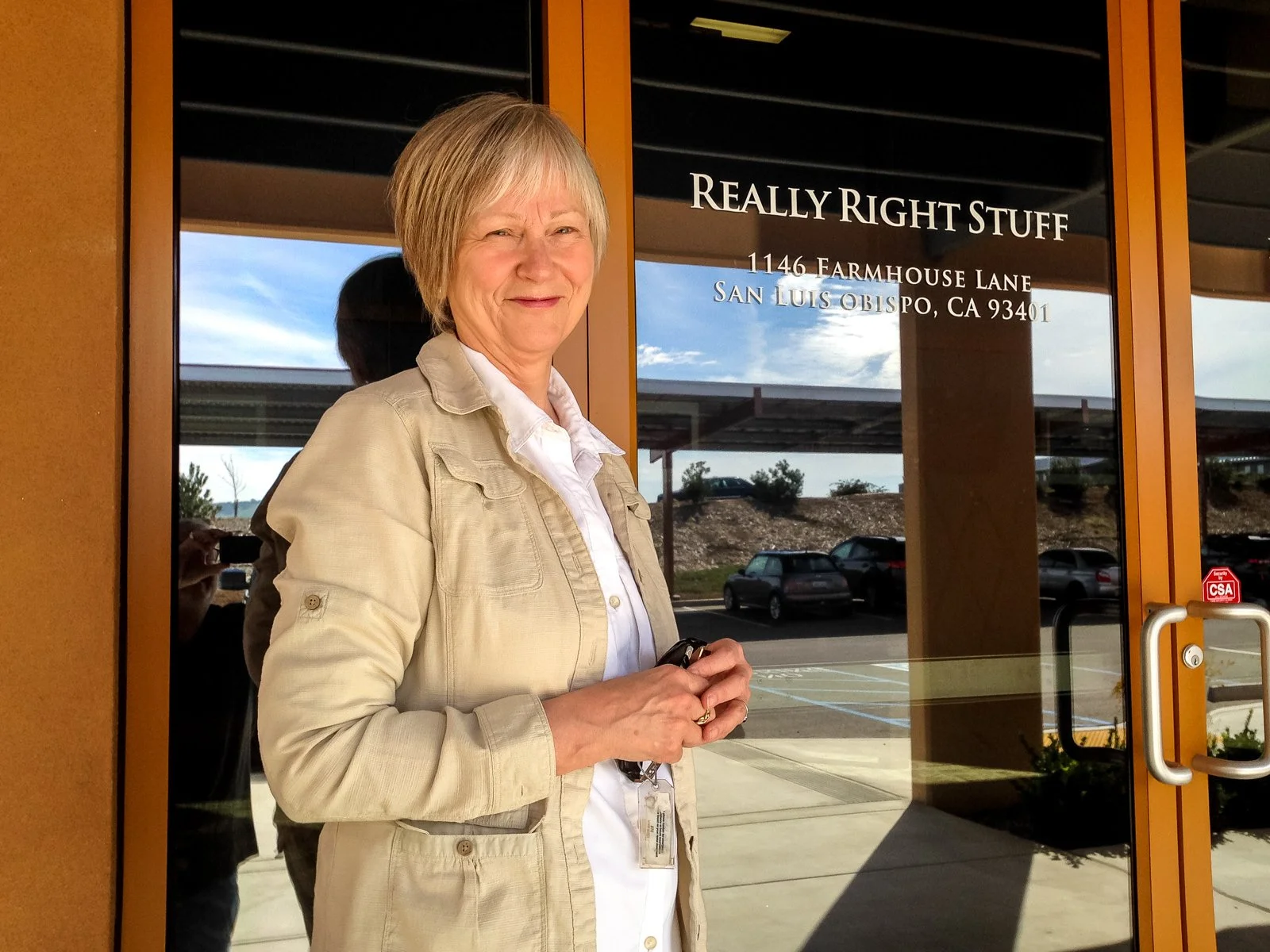
On my way to Piper Mackay Workshop, V6 Ranch, Parkfield, California, and stopped in at Really Right Stuff headquarters, 2015.
6. CHECK IN ADVANCE HOW YOU WILL GET TO THE STARTING LOCATION.
I make a point of arriving at the starting location a minimum of one day ahead and often prefer two or three days ahead. I check to see if direct flights are available and what the costs are for accommodation for a few days extra. Logistics of getting to the hotel also factor in. I do all of this before I register for a workshop.
I often check with the instructor regarding travel arrangements however make sure to do your homework. On one trip, I flew to an airport that was a half hour from the meeting point for the tour. Other participants arranged to meet the instructor at a different airport where the tour rental van was picked up, four hours from the resort we were staying at. However, due to flight delays and needing to wait until all participants had arrived, arrival at the hotel was 2 am instead of the 6 pm initially sheduled. I was able to avoid the late arrival by making my arrangements separate from the group.
I look for single accommodations during the workshop. I need my personal space and down time. Sharing with friends works for most just not for me anymore. Even my best travel buddy agrees with me and we get our own accommodations.
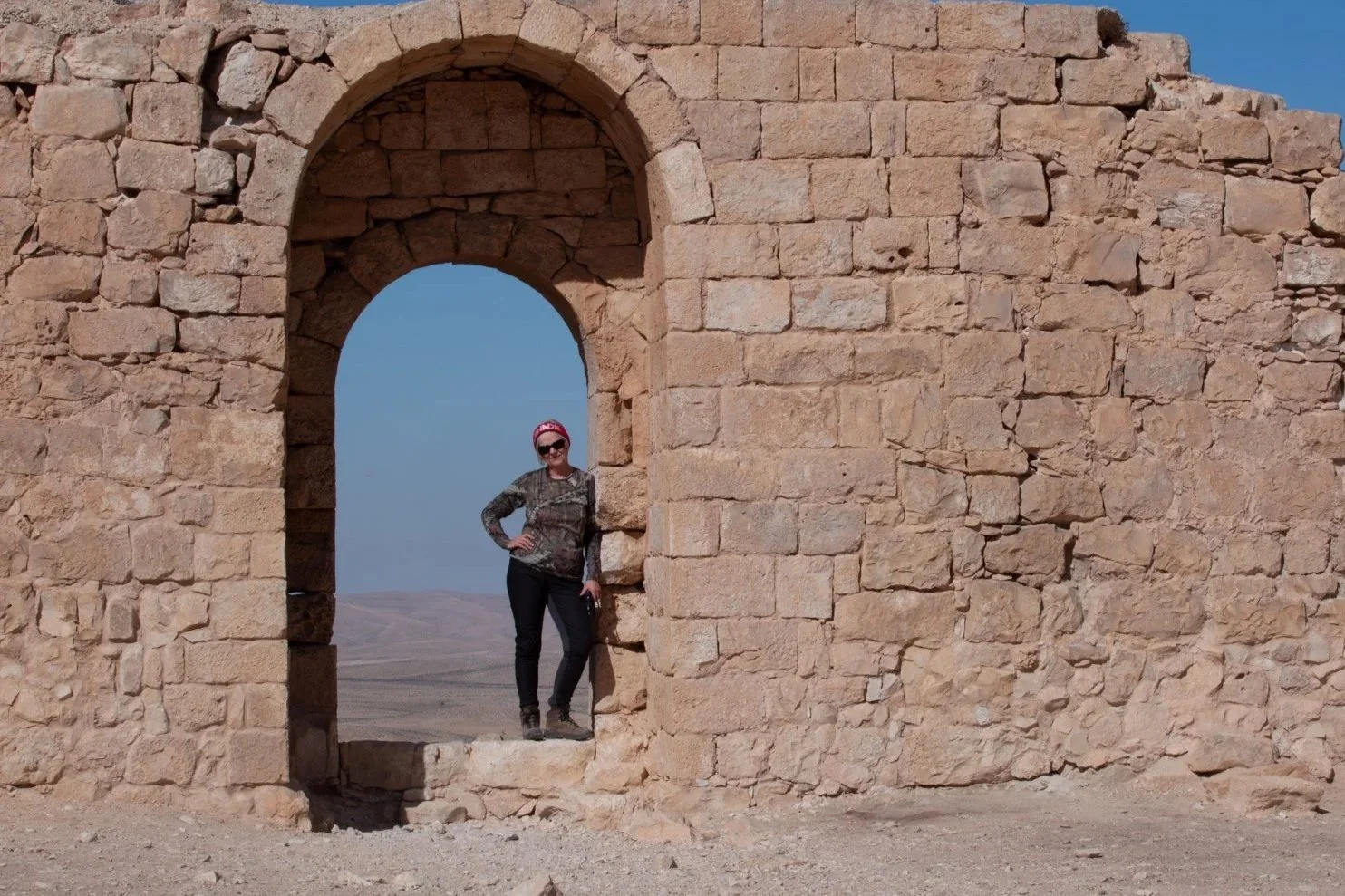
Israel, Freeman Patterson Workshop, Visual Design.
7. DO THEY MENTION FIELD INSTRUCTION OR IS ANY TIME SET ASIDE FOR INSTRUCTION?
The description might state there is no formal instruction time due to logistics and believe me, you will be glad about that. Now when I see time set aside for instruction I think but what about my nap? I don’t think there is any harm in emailing to ask if a certain technique is going to be covered or to mention that you are a beginner.
7. ATTEND AS MANY LOCAL WORKSHOPS AS YOU CAN
Try and learn as much as you can about your camera before you attend a workshop. Yes, you will learn camera techniques on a trip but if you already know it, it lets you learn something else that a local person may not know. Try and shoot with friends who are at your skill level or better than you! You want to learn as much as you can locally so that when you go on these trips, you are fine-tuning or adding that 5% that brings your photos up a notch.
8. CHECK OUT YOUTUBE TO LEARN FROM YOUR INSTRUCTOR’S VIDEOS
Checking out any YouTube videos your instructor may have posted will help to try suggested techniques before the trip. If you have difficulty, then you can ask for help when you get there. You will also get a sense of his or her personality. I used to look for reviews of workshops but that is difficult. Anything ‘negative’ is almost impossible to find as participants have to be careful as this is a livelihood for most instructors. I just want to know what to expect and I am careful now as to the instructors I book with.
9. YOU GET WHAT YOU PAY FOR.
This shows up in several ways. If there is more than one instructor, you know the group is paying for two salaries however that can be a good thing. Easier to get help when there are two people to do so. Local guides of course know where to go and are invaluable.
I had one instructor who, even though she didn’t normally photograph horses, knew so much about light and composition that she was able to get the local guide to do as she asked and the results were wonderful. They worked together so well.
Check out the number of expected participants. Fewer is better however some instructors add on a fee depending if fewer participants sign up. That is usually clearly stated however.
Look at the participant photos if they are posted. That gives you an even better idea of what to expect.
Online comments on the instructors’ FB pages can give you an idea of the actual workshop and you can see how followers interact with the instructor. If participants say thanks for a great trip or some other kind comment, it can indicate they had a great time.
Reykjavik, Iceland, 2014.
10. MY MOTTO IS - “A WORKSHOP IS A TOUR IS A WORKSHOP”.
I didn’t think I would ever say this as I used to be so upset when a workshop didn’t have ‘structured’ time and a ‘classroom like’ setting for teaching. I guess I wanted my money’s worth? Now I realize how little time there is at a workshop to set aside for teaching. I remember groaning inwardly when we were told to be back after lunch with our five photos from the morning shoot when I would have preferred some down time. I barely had time to finish my glass of wine!! lol.
People are on a workshop to learn from the instructor and to see a part of the world with locations that they would be hard pressed to find and photograph on their own. I have given up my “if I were in charge of the workshop’ mode, and am not concerned if it is called a workshop or a tour. Not all teaching happens in a classroom!
I guess I really have retired from teaching!! As long as the tour, um, workshop, um, tour, is well run and I am taken care of, I am good.
In conclusion, it doesn’t matter whether it is called a tour or a workshop. I do my research considering the tips mentioned above and if it resonates with me, I will book it!
Have fun whatever you decide to book and I have learned so much from both!
You don’t need to be sitting in a chair to learn - who knew?